Perform
Make the most of your potential.
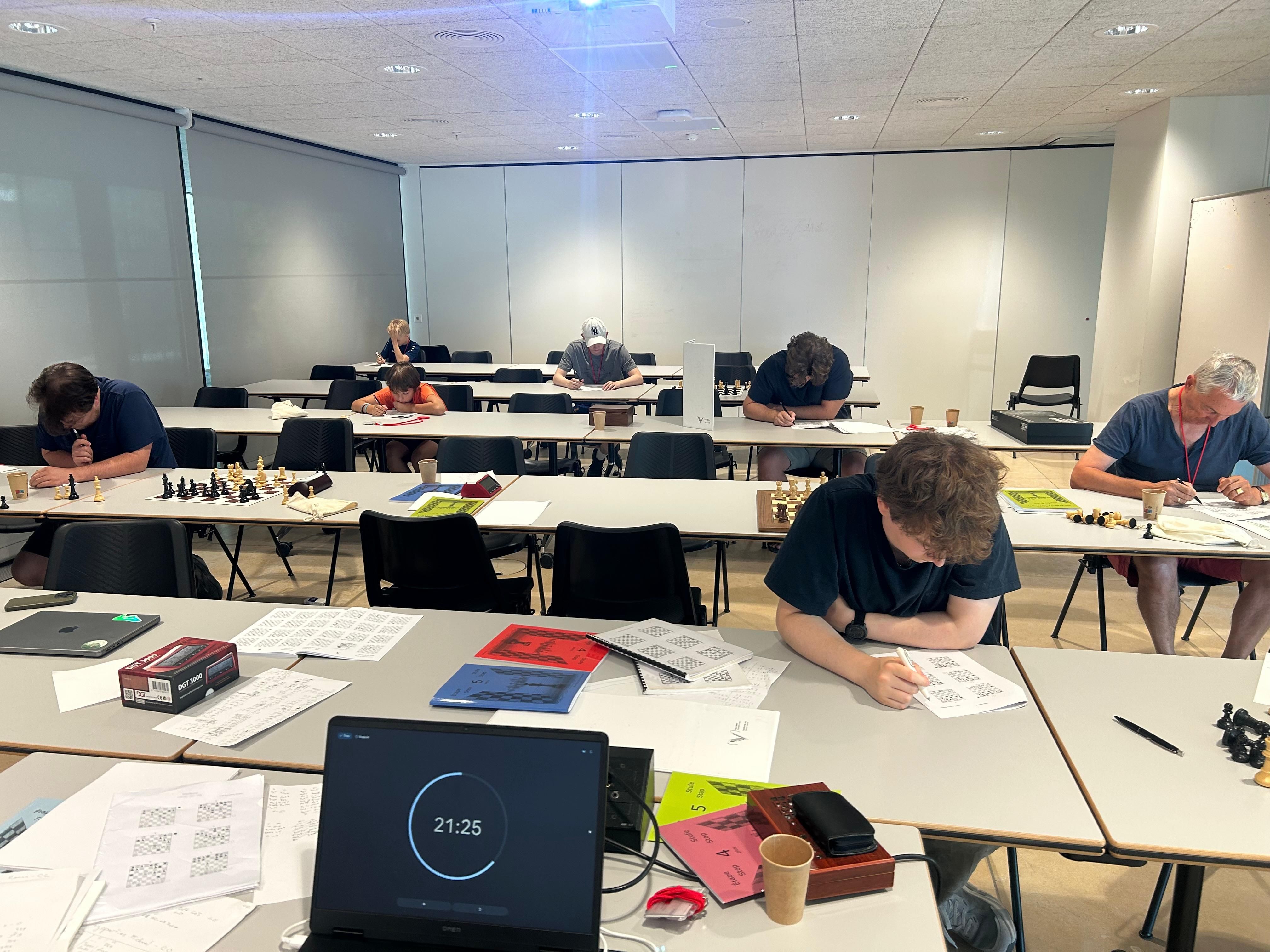
An assessment of where you stand, an individual plan, opening and endgame work, tournament preparation and mental routines for competition. Training in small groups at a similar level.
Who it is for
For tournament players with concrete goals.
What it involves
In training
- An individual assessment
- Where you are strong, where the games are lost, and which of it has to be fixed first.
- A personal training plan
- Modules agreed with you beforehand and closed off with a short test at the end.
- Openings and endgames
- A repertoire that suits your style, and the endings that cost you points.
- Training games
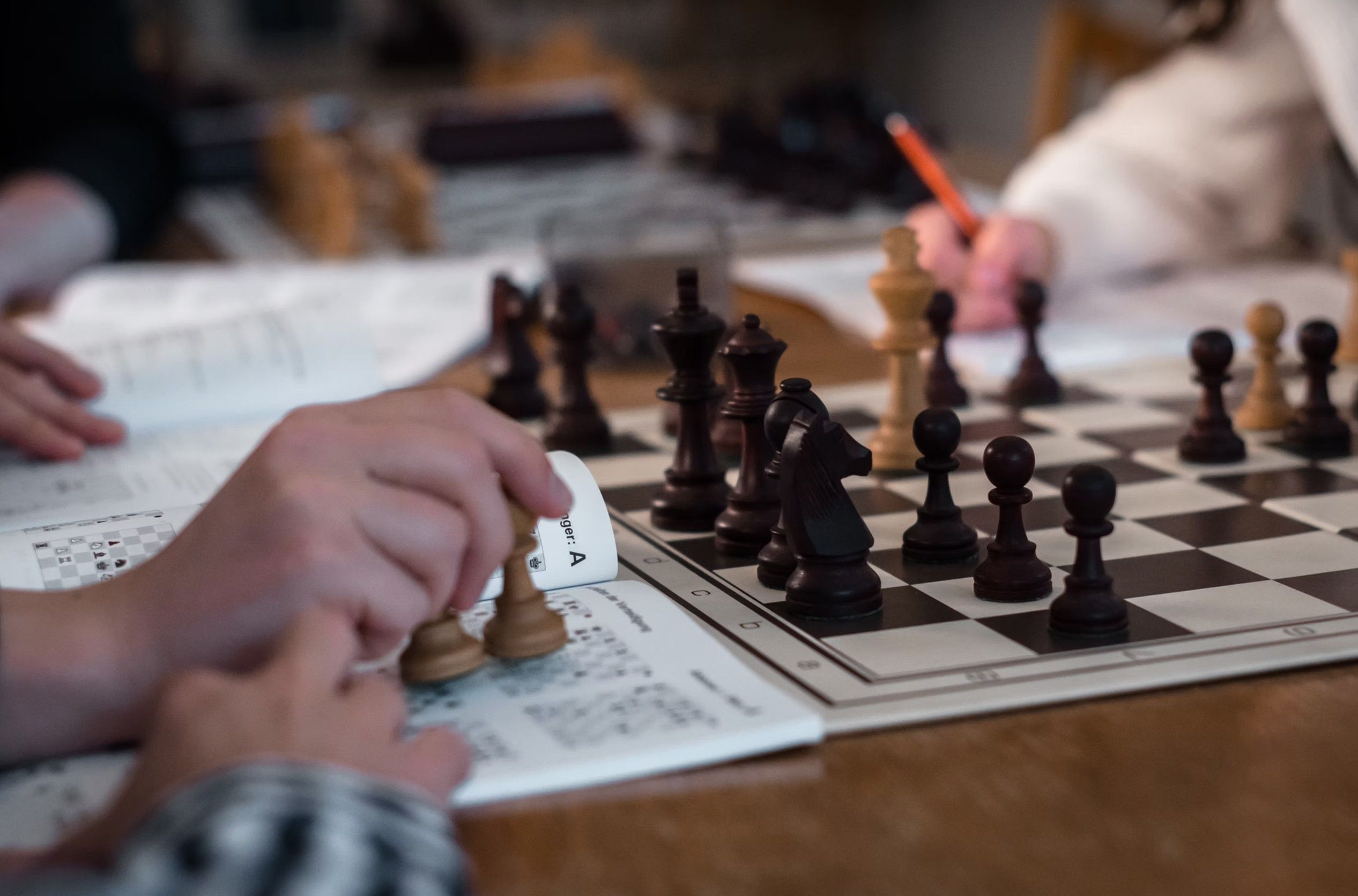
- Games played and then gone through together. The tool for the middlegame, which no book teaches.
- Game analysis
- Your tournament games get looked at with the engine and with your coach. Where the game turned, and what you could have seen there.
- A small group
- Training with players at a similar level, plus progress reviews on a fixed rhythm.
For competition
- Tournament preparation
- Preparing for opponents, the plan for the weekend, and the practical things tournaments otherwise fail on.
- Clock management
- How much time a move deserves, how to get out of time trouble, and how to keep out of it in the first place.
- Mental routines
- What you do after a loss, and how you stay in the game after a mistake.
Where it leads
You walk into a tournament with a plan instead of a hope, and after the round you know what you are working on that evening.
Where you stand right now.
The levels this way works on. The axis shows the whole range, so you can see where you join it.
-
1800–2000
perform
Planning your games
What changes
You hold worse positions and convert better ones, instead of leaving both to chance.
What you work on
A repertoire of your own with variations, defence, and managing the clock across a whole game.
-
2000–2200
perform
Preparing for opponents
What changes
You prepare for the person across the board and spread your energy over a whole tournament.
What you work on
Opponent preparation, training games in the middlegame, and routines between rounds.
-
2200–2400
perform
Playing for norms
What changes
You plan the season around the tournaments where a norm is possible, and prepare for them like an exam.
What you work on
A repertoire at tournament level, analysis with engine and coach, and form and recovery across two weeks.
The numbers are FIDE or national ratings. If you only play online, you are usually one level lower than your online number suggests.
All six levels on the overviewAlongside
Four days in a row, once a year
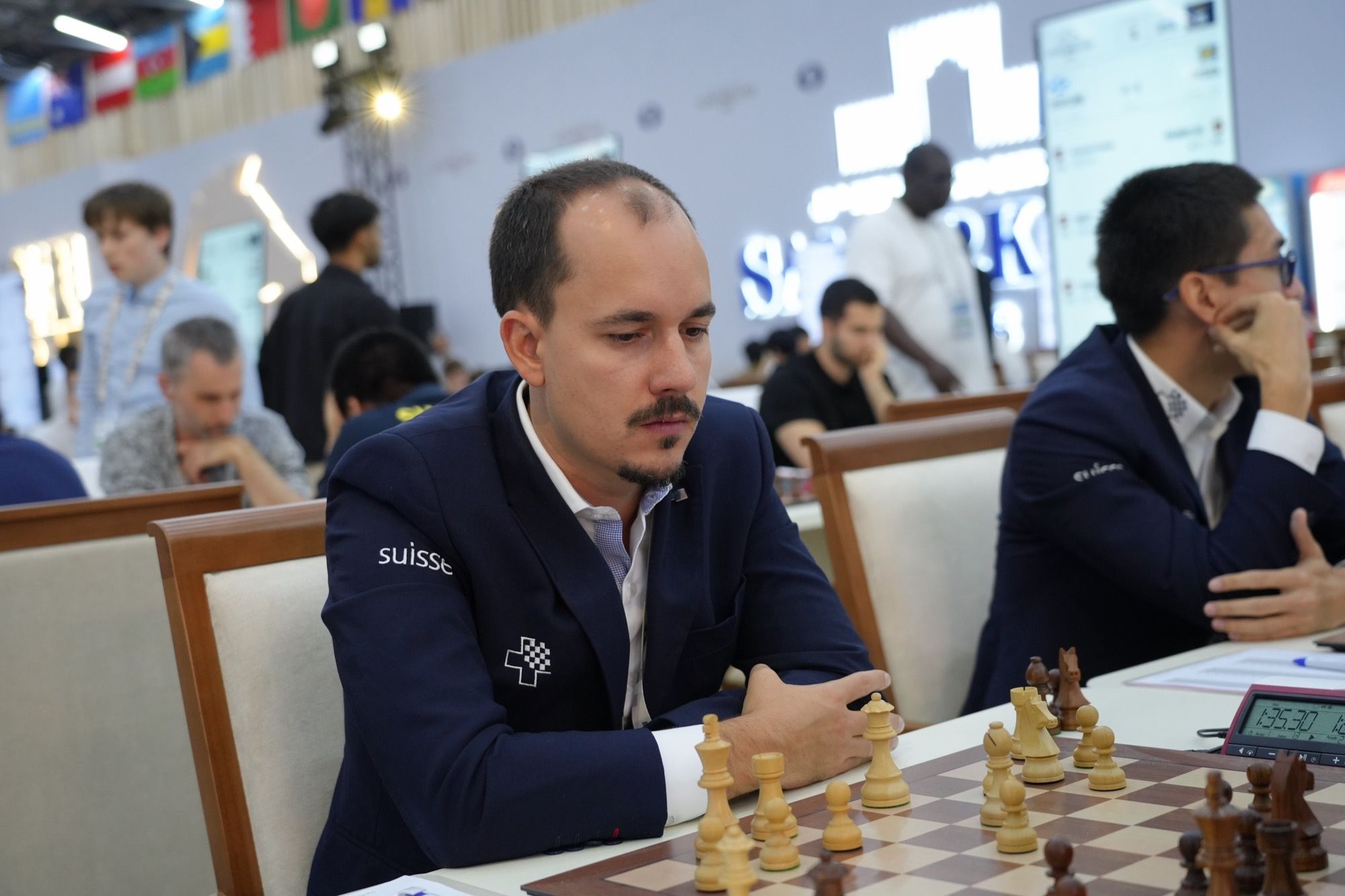
The Magglingen camp is the part a weekly rhythm cannot give you: four days at the national training centre, around six hours of chess a day, with GM Sebastian Bogner.
How getting started works.
Four steps, and not one of them commits you to anything.
- mail
You get in touch
Fill in the form or ask us to call you back. We answer within 24 hours.
- call
We talk on the phone
Fifteen minutes on where you stand, what you want to reach, and which coach fits that.
- chess
A free trial lesson
One lesson with the coach we picked for you. No strings attached.
- event_repeat
A fixed slot
If it fits, we agree on your weekly time and go through the terms.