Improve
Get better systematically.
A training plan built around the time you actually have. One lesson a week for goals and problems, analysis of your own games and a progress review every three months.
Who it is for
For players who already play and want to train with more purpose.
What it involves
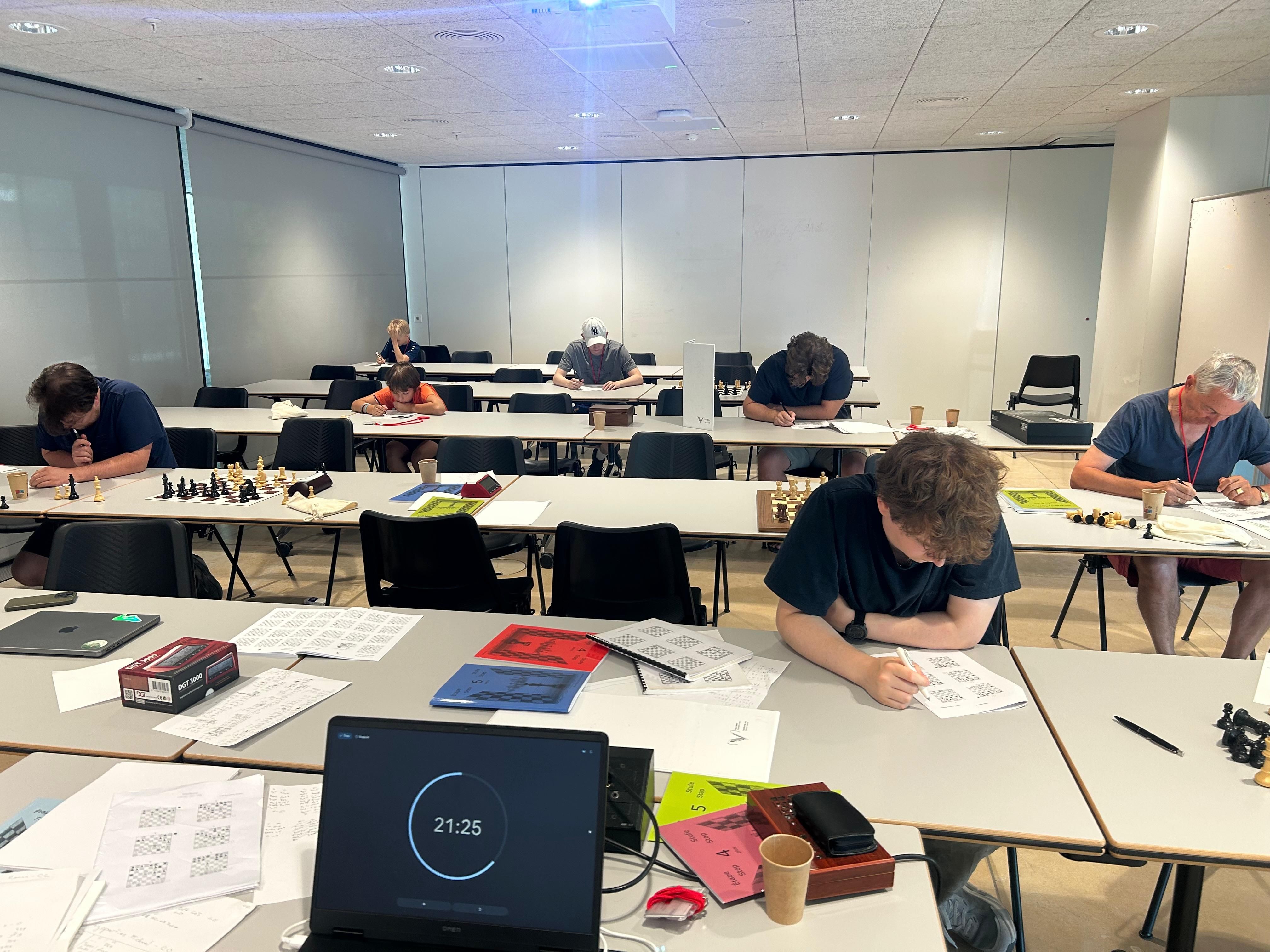
- Group training
- One live session a week with players at a similar level.
- Training on your own
- Two to four short sessions a week, on a plan that fits the time you have.
- Game analysis
- Your own games get looked at regularly, not only what went wrong but how you could have seen it.
- Training plan
- Personal priorities for the coming weeks, set in the first conversation around the study time you actually have.
- Community
- Exchange, challenges and games with the others.
- Progress review
- Every three months we take stock. What has moved, and what is next.
Where it leads
You stop training by feel. You know what you are working on, why, and how you will notice it working.
Where you stand right now.
The levels this way works on. The axis shows the whole range, so you can see where you join it.
-
1200–1400
improve
Securing the basics
What changes
You hang fewer pieces and see your opponent's threat before it arrives.
What you work on
Simple tactics daily, the basic endgames, and after every game the one move that decided it.
-
1400–1600
improve
Recognising patterns
What changes
Tactics get seen rather than calculated. Forks, skewers and double attacks stand out because you have solved them a hundred times.
What you work on
Pattern work, a small repertoire that holds for ten moves, and rook endings.
-
1600–1800
improve
Understanding positions
What changes
You play to a plan instead of move by move. Weak squares, active pieces, the right exchange.
What you work on
Strategy from model games, endgame technique, and your own games sorted by position type.
The numbers are FIDE or national ratings. If you only play online, you are usually one level lower than your online number suggests.
All six levels on the overviewAlongside
Four days in a row, once a year
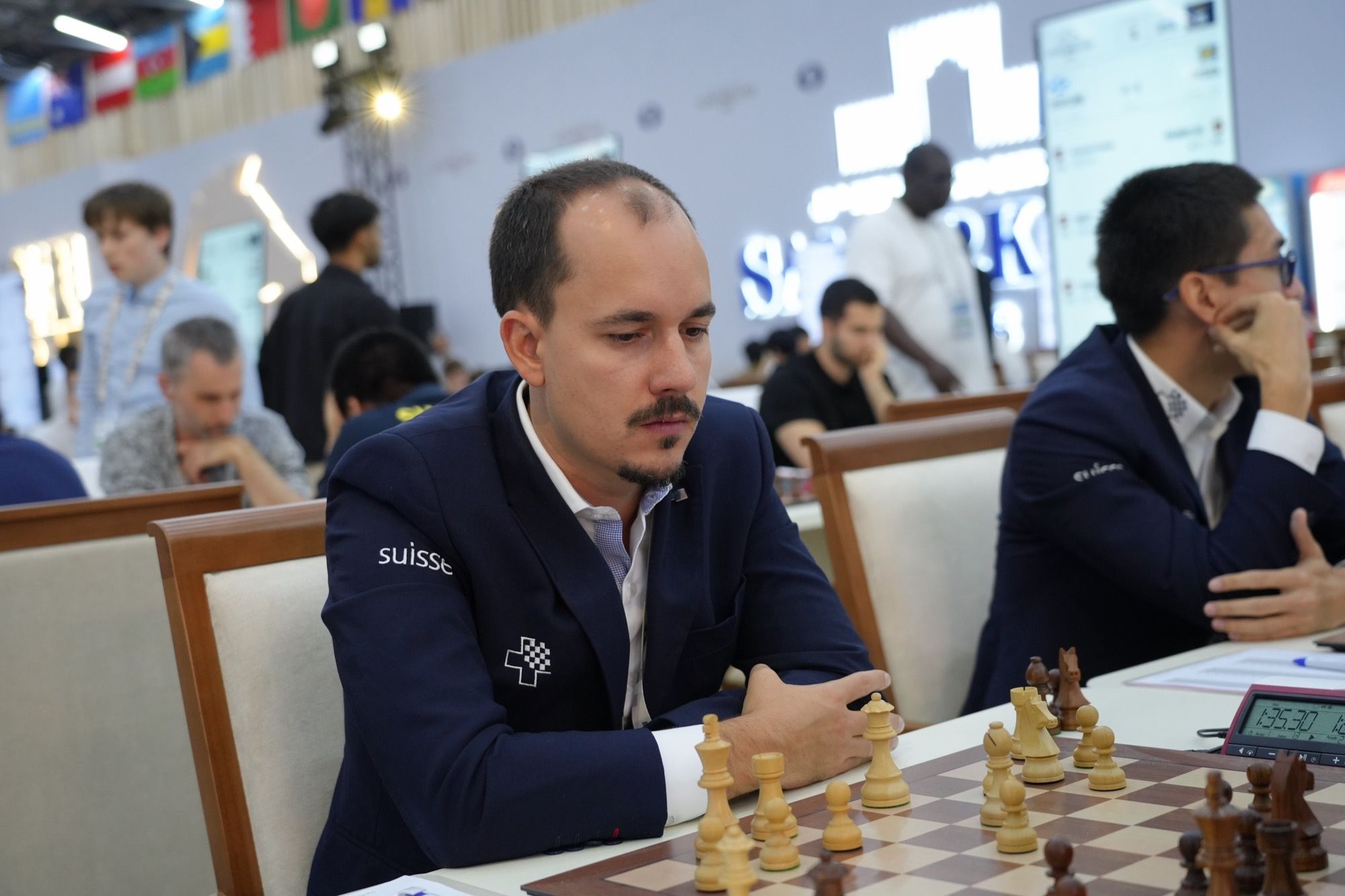
The Magglingen camp is the part a weekly rhythm cannot give you: four days at the national training centre, around six hours of chess a day, with GM Sebastian Bogner.
How getting started works.
Four steps, and not one of them commits you to anything.
- mail
You get in touch
Fill in the form or ask us to call you back. We answer within 24 hours.
- call
We talk on the phone
Fifteen minutes on where you stand, what you want to reach, and which coach fits that.
- chess
A free trial lesson
One lesson with the coach we picked for you. No strings attached.
- event_repeat
A fixed slot
If it fits, we agree on your weekly time and go through the terms.